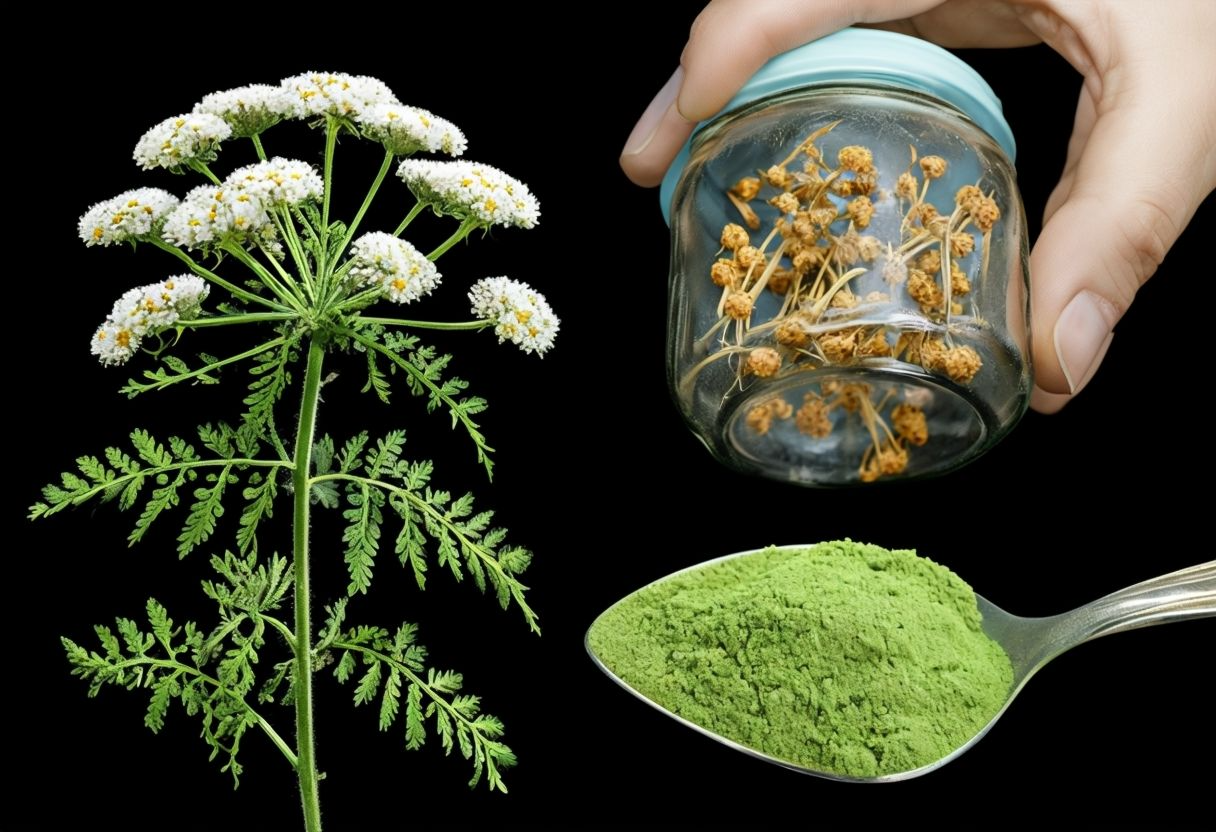
Yarrow: A Timeless Herbal Ally with Amazing Health Benefits

Yarrow (Achillea millefolium) is a perennial herb that has been valued for centuries due to its wide array of health benefits. Known for its delicate white, pink, or yellow flowers and feathery leaves, yarrow is native to Europe, Asia, and North America, and has been a staple in traditional herbal medicine for generations. From promoting digestive health to soothing skin irritations, yarrow has earned its reputation as a healing herb with a wide range of uses.
Packed with antioxidants, flavonoids, alkaloids, and essential oils, yarrow is often used in tinctures, teas, salves, and poultices. Here are some of the top benefits of yarrow and how you can incorporate this versatile herb into your health routine.
10 Incredible Health Benefits of Yarrow
- Supports Digestive Health
Yarrow has been traditionally used to support the digestive system. It can help relieve indigestion, bloating, and gas. Additionally, it promotes healthy bile production and can soothe an upset stomach. - Relieves Menstrual Discomfort
Yarrow has mild uterine-toning properties that can help regulate menstrual cycles and reduce the severity of cramps, heavy bleeding, and other menstrual discomforts. - Boosts Immune Function
Yarrow has immune-boosting properties due to its antioxidant content. It can help the body fight off infections by strengthening the immune system and supporting overall health. - Soothes Skin Irritations
Yarrow has anti-inflammatory and antimicrobial properties, making it excellent for treating skin irritations like rashes, cuts, and wounds. It can also be used to reduce the symptoms of eczema and psoriasis. - Reduces Inflammation
Yarrow contains compounds that help reduce inflammation throughout the body. This makes it beneficial for those with conditions such as arthritis or other inflammatory disorders. - Improves Circulation
Yarrow has been known to help improve blood circulation, which can support cardiovascular health. It may help regulate blood pressure and reduce the risk of heart disease. - Supports Respiratory Health
Yarrow is traditionally used to alleviate symptoms of colds and flu, such as congestion and coughing. It acts as a natural expectorant, helping to clear mucus from the respiratory system. - Aids in Wound Healing
Yarrow’s astringent and antimicrobial properties help speed up the healing process of cuts, bruises, and other minor wounds. It promotes tissue repair and reduces the risk of infection. - Relieves Anxiety and Stress
Yarrow has mild sedative properties that can help relieve anxiety and stress. It promotes relaxation and can help improve sleep quality. - Supports Liver Health
Yarrow can assist in detoxifying the liver, helping the body eliminate toxins and maintain a healthy liver function. It has been used to improve bile production and support liver health.
How to Use Yarrow
Yarrow can be used in a variety of ways depending on your needs. Here are some of the most common methods:
- Yarrow Tea
Yarrow tea is one of the easiest ways to enjoy the benefits of this herb.
How to make it:
- Add 1-2 teaspoons of dried yarrow flowers or leaves to a cup of hot water.
- Let it steep for 10-15 minutes.
- Drink 1-2 times daily to support digestion, relieve menstrual discomfort, or boost immune function.
- Tincture
A yarrow tincture is great for systemic support and can be taken for a more concentrated dose of the herb.
How to use:
- Take 1-2 dropperfuls diluted in water, 2-3 times per day.
This is ideal for immune support, circulation, or wound healing.
- Topical Application
Yarrow can be used as an ointment or poultice to treat skin irritations, wounds, or bruises. Simply apply the herb directly to the skin or mix it into a salve or cream for targeted use. - Yarrow Capsules
If you prefer a more convenient option, yarrow capsules are available as a dietary supplement. Follow the instructions on the label or consult with a healthcare provider for the right dosage.
Precautions and Considerations
While yarrow is generally safe for most people, there are a few precautions to be aware of:
- Allergic Reactions: People with allergies to plants in the Asteraceae family (such as ragweed, daisies, or chrysanthemums) may also be allergic to yarrow.
- Pregnancy: Yarrow should be avoided during pregnancy, as it may stimulate uterine contractions.
- Blood Thinners: Yarrow may interact with blood-thinning medications, so consult a healthcare provider if you are on anticoagulants.
Always consult with a healthcare professional before starting any new herbal remedy, especially if you are pregnant, breastfeeding, or taking medication.
Final Thoughts
Yarrow is a versatile and powerful herb that has been used for centuries to support various aspects of health. Whether you are looking to improve digestive function, boost your immune system, or promote skin health, yarrow is a natural ally worth considering. With its wide range of uses and powerful healing properties, it’s no wonder this herb has remained a timeless staple in traditional herbal medicine.