Growing Herbs in Water: A Simple and Space-Saving Method for Fresh Greens

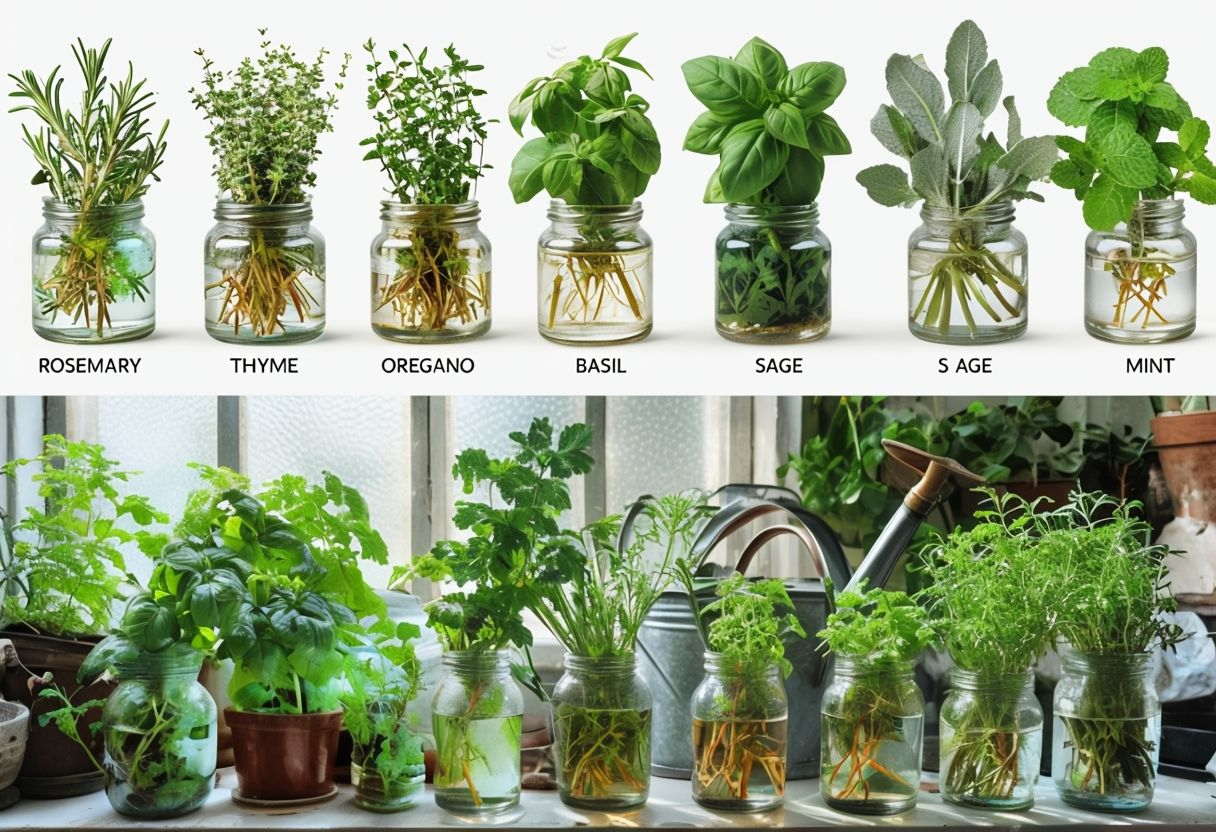
Having fresh herbs readily available is a special treat, especially when space is limited or you’re looking for an easy, low-maintenance way to grow them indoors. Growing herbs in water is a convenient and practical solution that requires minimal effort while offering maximum freshness. Whether you’re short on space or simply want to add a touch of greenery to your home, this method is perfect for you. Let’s explore some popular herbs that thrive in water and learn a few tips for successful water-based herb gardening.
Why Grow Herbs in Water?
Growing herbs in water is not only space-efficient but also a clean, mess-free cultivation method. Unlike traditional soil gardening, water-based herb gardening eliminates the need for pots, soil, and constant watering. By rooting herbs in water, you can observe the growth of roots while ensuring your plants receive the hydration they need. It’s an excellent option for people living in apartments, small homes, or anyone wanting to bring a bit of nature indoors.
How to Grow Herbs in Water
Before diving into specific herbs, here’s how to get started:
- Select Fresh Herb Cuttings: Choose healthy stems from mature herb plants. Ensure the cuttings are around 4 to 6 inches long and remove the leaves from the bottom half of the stem.
- Place in Water: Place the cuttings in a clear glass or jar filled with fresh water. Ensure the stems are submerged, while the leaves remain above the waterline to prevent rotting.
- Change Water Regularly: To avoid bacterial growth and keep the herbs healthy, change the water every few days.
- Positioning: Place your herb jars in a spot with indirect sunlight, like a windowsill or kitchen counter.
- Wait for Rooting: After a week or two, you should start to see roots forming at the base of the cuttings.
Popular Herbs That Grow in Water
- Basil:
Basil is one of the easiest herbs to root in water. Its fragrant leaves are great in various dishes. Simply place basil cuttings in a glass of water, ensuring it gets plenty of sunlight. Change the water every few days, and within a week, you’ll notice new roots forming. - Cilantro (Coriander):
Cilantro is a versatile herb used in many cuisines. To grow cilantro in water, place fresh cuttings in a jar of water and change the water regularly. While it takes longer to root than basil, it will reward you with fresh leaves after a little patience. - Parsley:
Parsley is another easy herb to grow in water. Place the stems in a glass of water, ensuring the lower half is submerged. Change the water frequently to avoid bacterial growth. Parsley is not only a tasty garnish but also rich in vitamins. - Mint:
Mint is one of the most prolific herbs to grow in water. Its fresh scent and flavor make it perfect for teas, desserts, and savory dishes. Simply cut a few sprigs and place them in water. Mint grows rapidly and can be transferred to soil later if you wish to cultivate a larger plant. - Rosemary:
Rosemary can also be grown in water, although it takes longer to root. Snip a few sprigs and place them in a jar with water. Rosemary thrives in indirect sunlight, and once rooted, you can either keep it in water or transplant it into soil. - Chives:
Chives are great for growing in water and add a mild onion flavor to dishes like soups, salads, and baked potatoes. Place chive cuttings in water and watch them regrow. You can harvest them frequently, making them ideal for regular use. - Borage:
Borage may not be as common as other herbs, but it has beautiful blue flowers and a cucumber-like taste. Borage cuttings can easily root in water, offering a unique addition to your indoor garden.
Tips for Growing Herbs in Water
While growing herbs in water is simple, here are a few best practices to ensure success:
- Change the Water Regularly:
Change the water every 3-5 days to prevent bacterial growth and keep the water oxygenated for the roots. - Provide Sufficient Light:
Herbs need light to grow, so place them in a spot with indirect sunlight. If you don’t have a sunny window, consider using a grow light to ensure the herbs get the light they need. - Use Clear Glass Containers:
Clear containers allow you to monitor root growth and detect any issues like cloudy water or mold. They also let sunlight reach the roots, aiding growth. - Fertilization:
Once your herbs have strong roots, you can add a small amount of diluted liquid fertilizer to the water for added nutrients. However, be cautious not to over-fertilize, as herbs generally don’t need much. - Harvesting:
When harvesting your herbs, trim only what you need to ensure the plant continues to grow and thrive.
Conclusion
Growing herbs in water is a practical, space-saving, and rewarding method for anyone looking to enjoy fresh, flavorful herbs year-round. Whether you’re a beginner or an experienced gardener, this method is perfect for creating an indoor herb garden that requires little space and minimal maintenance. Start with herbs like basil, mint, or rosemary, and watch your indoor garden flourish with minimal effort!
4o